
This post contains affiliate links. Please see our disclosure policy.
If you’ve been around fitness trends for a while, you’ve probably seen vibration plates come and go. And I get the skepticism…when something looks too easy, it’s natural to wonder if it actually works.
Here’s my perspective after 35+ years in the fitness industry and many years selling vibration plates on Home Shopping: for the right person and the right purpose, vibration plate training can be a really helpful tool.
Let’s break it down honestly – no hype, no extremes.
What Is a Vibration Plate?
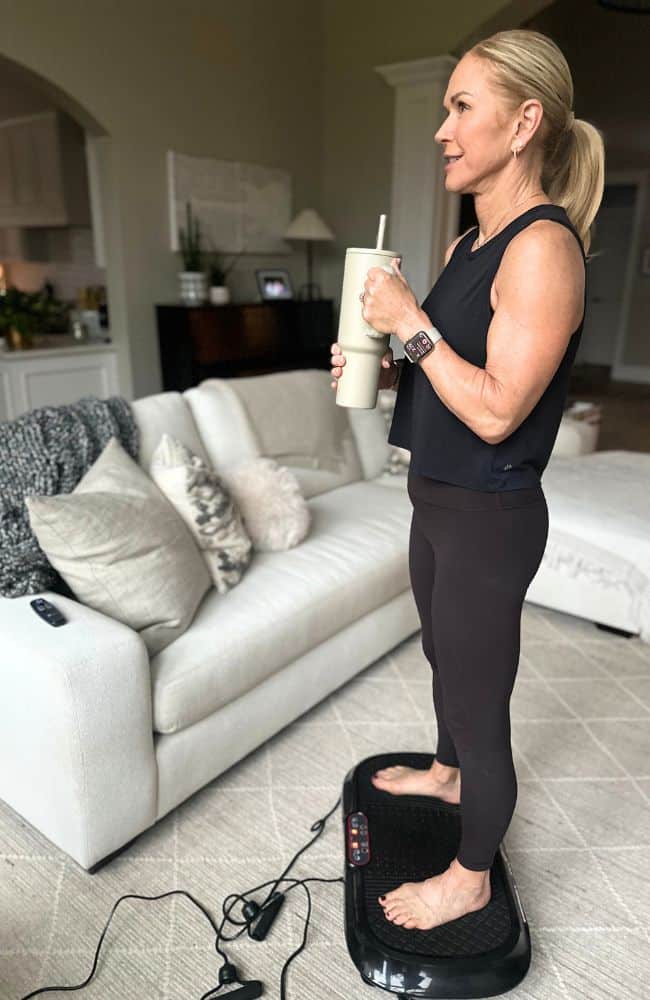
A vibration plate is a fitness device that uses whole-body vibration to stimulate your muscles while you stand, sit, or perform simple movements on the platform.
The vibrations cause your muscles to contract and relax rapidly, which can help stimulate circulation and neuromuscular activity.
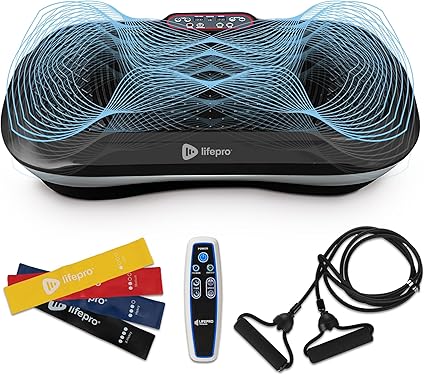
Most plates allow you to adjust:
- Speed
- Intensity of vibration
- Duration
Many also include resistance bands, which can add light strength work and improve balance.
|

|
|
Primary Rating:
3.5
|
Primary Rating:
3.5
|
|
$199.99
|
$349.99
|
Who Can Benefit Most From a Vibration Plate?
Over the years, I noticed very clear patterns in who loved these machines the most.
Vibration plates tend to work best for people who:
- Struggle with poor circulation
- Deal with inflammation or stiffness
- Have lymphedema or lymphatic congestion
- Want support with muscle recovery
- Need a low-impact option due to joint pain
- Want bone-building stimulation but do not (or cannot) do jump training
The vibration creates force through the body, which may help stimulate bones making this a helpful option for women concerned about bone density and who aren’t jumping or doing high-impact work.
Vibration plates can also be useful for older adults who may prefer to sit and simply place their feet on the platform to help encourage circulation. This gentle option can be especially appealing for those with balance concerns or limited mobility.
This is not about replacing real workouts. It’s about supporting the body especially during midlife, menopause, aging, or recovery phases.
Potential Benefits of Vibration Plate Training
Used consistently (even just 10 minutes a day), vibration plates may offer several benefits:
1. Improved Circulation
The vibration stimulates blood flow, which can be especially helpful if you sit a lot, travel often, or feel heavy or sluggish in your legs.
2. Lymphatic Drainage Support
For people dealing with lymphedema or fluid retention, vibration can help encourage lymphatic movement. Many users report feeling less puffy after regular use.
3. Muscle Recovery & Reduced Soreness
After heavy lifting or intense workouts, vibration plates can help reduce muscle soreness by increasing circulation and relaxing tight muscles.
4. Joint Health & Mobility
Because vibration plates are low impact, they can be a joint-friendly way to stimulate muscles without pounding or jumping.
5. Bone Health & Density Support
One often-overlooked benefit of vibration plate training is its potential role in bone health, especially for women in midlife and beyond. The vibration creates mechanical force through the body, which may help stimulate bones in a way that mimics some of the benefits of impact training.
This can be particularly helpful for women who:
- Are postmenopausal
- Have joint pain that limits jumping
- Are new to strength training
- Are concerned about maintaining bone density
While vibration plates do not replace strength training or impact exercise, they may be a useful supportive tool for bone stimulation when traditional jump training isn’t appropriate or realistic.
Think of it as another way to remind your bones they’re needed and that matters as we age.
What Vibration Plates Are NOT
This part matters, so read carefully!
A vibration plate is:
- Not a weight-loss solution
- Not a replacement for strength training
- Not a magic fix
If someone is selling it as a stand-alone fitness miracle, that’s a red flag. Real fitness, especially in midlife, is about consistency, strength, movement, and self-care.
Why I Like Vibration Plates as a Fitness Add-On
What I appreciate most is how accessible they are.
- Tiny footprint (great for home use)
- Very low time commitment
- Easy to use—just step on and adjust the settings
- Can be used on rest days, recovery days, or flare-up days
Many people report feeling:
- Less stiff
- More energized
- Lighter in their legs
- More comfortable moving throughout the day
And honestly? Feeling better counts.
My Go-To Brand: LifePro
I’ve worked with and tested many vibration plates over the years, and the LifePro vibration plate is a brand I’ve consistently trusted. They offer solid construction, adjustable settings, and resistance bands that add a little extra value for balance and light strength work.
(Always start slow, listen to your body, and check with your healthcare provider if you have medical concerns.)
Safety Notes & Best Practices
As with any fitness or wellness tool, safety comes first, especially for older adults or anyone managing chronic conditions.
- Start with low vibration settings and short sessions
- Use a sturdy chair or wall for balance if standing
- Older adults may prefer to sit and place their feet on the plate to encourage circulation
- Avoid locking the knees; keep a soft bend
- If you have osteoporosis, joint replacements, cardiovascular conditions, or balance concerns, check with your healthcare provider before use
Listening to your body is always the goal. More vibration is not always better.
Vibration plate fitness isn’t about doing less… it’s about supporting your body so you can do more.
For women in midlife dealing with inflammation, circulation issues, joint discomfort, or recovery challenges, this can be a smart, simple tool to add to your routine.
Remember: Fitness is medicine. Small steps add up. And listening to your body is always the right move.


Hi Chris! I’ve enjoyed using a vibration plate for over 10 years. I also believe the technology works and is beneficial. As you mention, there are contraindications that people need to be aware of-and in addition to consulting a physician- people should refer to the manufacturer’s information as well.
I really like the PowerPlate brand. It vibrates in all directions (tri-planar). Meaning it vibrates up, down, side to side, and front to back versus just side to side or just up and down. Using a machine that just moves in one or two directions gives me a headache. Thank you for the post.