
This post contains affiliate links. Please see our disclosure policy.
Walking is one of the best low-impact workouts for women over 40, especially if your joints don’t love high-intensity exercise anymore.
But here’s the question I hear all the time:
Can walking actually help you build lean muscle?
The answer is yes.
While walking won’t create bulky muscles, it absolutely helps strengthen your lower body, preserve lean muscle during menopause, and improve endurance, balance, and metabolism.
And with a few smart upgrades, your daily walk can become a surprisingly effective strength-building workout.
At 60, walking is still one of my favorite tools for staying strong, energized, and consistent without beating up my body.
If you’re looking for a joint-friendly way to support healthy aging, walking deserves a spot in your routine.
Does Walking Build Lean Muscle?
Yes. Walking can help build and maintain lean muscle mass, especially in your lower body.
Every step activates important muscles that support strength, posture, stability, and mobility. While walking isn’t the same as lifting heavy weights, it still challenges your muscles enough to improve endurance and support muscle tone.
This becomes even more important after 40.
As estrogen levels decline during menopause, women naturally begin losing muscle mass more quickly. That loss can affect:
- metabolism
- balance
- bone health
- strength
- energy levels
That’s why preserving lean muscle is one of the best things you can do for healthy aging.
Walking regularly, especially when combined with strength training and enough protein, helps support muscle maintenance without unnecessary stress on your joints.
Which Muscles Does Walking Work?
Walking activates several major muscle groups throughout your body.
Glutes
Your glutes help stabilize your hips and power your stride.
Quadriceps
The muscles on the front of your thighs help straighten your knees as you walk.
Hamstrings
These muscles support hip movement and help bend your knees.
Calves
Your calves push you forward with every step.
Core Muscles
Your core helps maintain posture, balance, and stability while walking.
When you add hills, speed, or resistance, these muscles work even harder.
8 Ways to Build Lean Muscle While Walking
These simple walking upgrades can help women over 40 strengthen their legs, support metabolism, preserve lean muscle, and stay active without putting extra stress on their joints.
1. Pick Up Your Pace
Walking faster increases muscle engagement and raises your heart rate.
You don’t need to sprint. A brisk pace that feels challenging but manageable is enough to recruit more muscle fibers and increase calorie burn.
I often tell women to aim for a pace where conversation feels slightly harder, but still possible. Pace matters here, and the easiest way to pick yours up is music. I broke down the exact BPM playlist trick I’ve used for years.
You should finish your walk feeling energized, not exhausted.
2. Walk Hills or Add Incline
If you want to strengthen your legs and glutes, hills are your best friend.
Walking uphill increases activation in your:
- glutes
- hamstrings
- calves
- quadriceps
Incline walking also boosts your heart rate without adding the pounding that comes with running.
If you’re on a treadmill, try increasing the incline by 2–5%. Outdoors, seek out gentle hills or stadium stairs.
Your backside will definitely feel the difference.
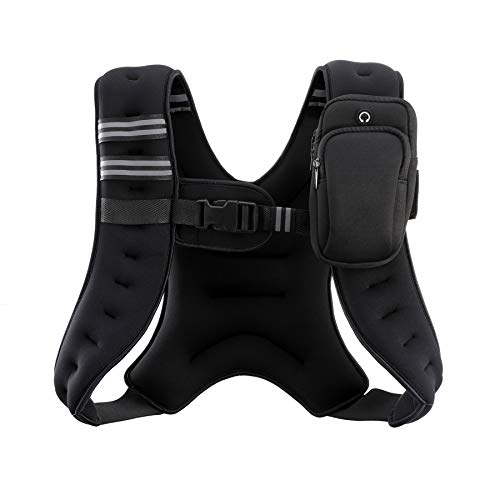
3. Wear a Weighted Vest
One of my favorite ways to safely increase walking intensity is by wearing a weighted vest.
A weighted vest adds resistance evenly across your torso, helping your muscles work harder while also supporting bone strength, something women in menopause should absolutely prioritize.
Start light.
Even a 5- to 8-pound vest can make a walk feel significantly more challenging.
I prefer weighted vests over heavy backpacks because they distribute weight more comfortably and place less strain on the shoulders and lower back.
4. Use Walking Intervals
Intervals are an excellent way to build endurance and support lean muscle.
Try this simple interval walking workout:
- Walk briskly for 1 minute
- Recover at an easier pace for 2 minutes
- Repeat for 20–30 minutes
You can also add short uphill pushes or gentle jogging intervals if your joints tolerate it well.
Remember, low impact still counts.
5. Add Strength Exercises During Your Walk
This is one of my favorite ways to turn a simple walk into a total-body workout.
Try adding bodyweight strength moves every few minutes.
Example:
- Walk 5 minutes
- Perform 10 squats
- Walk 5 minutes
- Perform 10 walking lunges
- Walk 5 minutes
- Perform 10 calf raises
Simple. Efficient. Effective.
This combination helps build strength while keeping your heart rate elevated.

6. Walk Backward Carefully
Backward walking activates your muscles differently than forward walking, especially your quads and core.
Now, safety first here.
Only try backward walking in a flat, open area or on a treadmill at a very slow pace while holding support if needed.
Even 30 seconds at a time can challenge your balance and muscle coordination in a completely new way.
7. Engage Your Upper Body
Don’t let your arms go along for the ride.
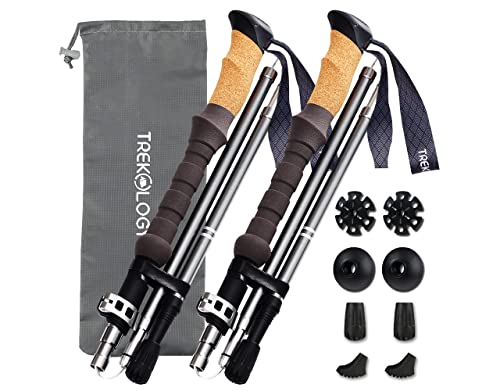
Purposefully swinging your arms or using walking poles can activate your shoulders, upper back, and arms, making walking feel more like a full-body workout.
Good posture matters too.
Stand tall. Relax your shoulders. Keep your core gently engaged.
Those little adjustments make a big difference over time.
8. Prioritize Protein After Your Walk
Exercise stimulates muscles, but nutrition helps rebuild and maintain them.
Protein becomes increasingly important as we age because our bodies become less efficient at preserving muscle mass.
After a walk or workout, I aim for protein-rich foods like:
- Greek yogurt
- eggs
- cottage cheese
- lean chicken
- fish
- protein smoothies
Women over 40 benefit from spreading protein throughout the day instead of eating most of it at dinner.
If you struggle to meet your protein goals, a high-quality protein powder can help make things easier.
Use my Free Protein Calculator to see exactly how much protein you should target for your weight and activity level.

Can Walking Replace Strength Training?
Walking is fantastic for your heart, endurance, mobility, and overall health.
But no, it shouldn’t completely replace strength training.
The healthiest aging plan includes both:
- regular walking for cardiovascular health and stamina
- resistance training for muscle and bone strength
I encourage women to strength train at least 2–3 times per week, even if it’s just using resistance bands or light dumbbells at home.
That combination supports:
- metabolism
- posture
- balance
- confidence
- bone health
- long-term independence
Use my favorite strength training moves for women over 50 to get started!
The Bottom Line
Walking absolutely supports lean muscle and healthy aging.
While it won’t build large muscles like heavy weightlifting, walking can strengthen your lower body, improve muscle endurance, support metabolism, and help preserve muscle during menopause and beyond.
And the best part?
Walking is accessible.
Joint-friendly.
And sustainable long term.
You don’t need extreme workouts to stay strong.
A consistent walking routine with a few smart upgrades can help you feel stronger, more energized, and more confident at every age.
Start where you are.
Build gradually.
And keep moving forward.
FAQ: Walking and Building Lean Muscle
Yes. Walking helps strengthen and maintain lean muscle, especially in your legs, glutes, and core. Adding hills, intervals, or resistance increases muscle activation even more.
Walking is excellent for endurance and heart health, but women over 50 should also include resistance training 2–3 times per week to support muscle and bone health.
Yes. Walking uphill increases activation in the glutes, hamstrings, calves, and quads, making incline walking more effective for building lean muscle.
Absolutely. Walking supports heart health, mood, stress reduction, joint mobility, and lean muscle maintenance during menopause.
A light weighted vest can safely increase intensity and muscle engagement for many women. Start light and prioritize good posture and comfort.



I haven’t tried a weighted vest with walking yet. I have spinal stenosis and sciatica pain (at the age of 51). I’m worried a weighted vest will make that pain worse or will it actually help?
well ask your doctor – but if you start with a light vest – like 8 lbs – could be good for your torso strength
Very informative article