
This post contains affiliate links. Please see our disclosure policy.
There’s no one-size-fits-all approach when it comes to nutrition. Our bodies are beautifully unique. We all have different needs, preferences, and rhythms. Some people feel great going long stretches without food, while others start to notice dips in energy or mood just a few hours after a meal.
Finding what works for you is the key. It’s about tuning into your body, noticing how you feel, and choosing the eating habits that help you feel energized, balanced, and strong.
For me personally? I do a version of “intermittent fasting” that fits naturally into my lifestyle. Most nights, I’m finished eating around 7pm and I don’t have breakfast until after 7am so that’s a 12-hour fast without really trying. But I don’t believe intermittent fasting is some magical fat-loss tool. As a trainer and health coach, I see it as just one way to help manage calories. If it works for you, great! But it’s not the only way to stay healthy.
No matter your approach, here’s what I always recommend:
- Focus on eating sensibly portioned meals with mostly plant-based foods…think veggies, fruits, nuts, seeds, and healthy fats.
- Include lean protein, whole grains, and dairy (if you like it) to round things out.
- And of course-move your body! Cardio + strength training is the dream team. Building muscle helps you burn more calories even when you’re resting. Yes, muscle really is the secret sauce!
Now, if you’re curious about intermittent fasting (IF), let’s explore both sides of the story-what’s great about it and what to watch out for.
What Is Intermittent Fasting?
Intermittent fasting (or IF) isn’t a diet-it’s an eating pattern. Instead of focusing on what you eat, it’s about when you eat. Typically, you cycle between periods of eating and fasting during a 24-hour day. One of the most common methods is the 16:8 approach where you fast for 16 hours and eat during an 8-hour window. But there are other styles too, like 14:10, 5:2 (where you eat normally five days a week and restrict calories on two non-consecutive days), or simply extending your natural overnight fast, like I do. The idea behind IF is to give your body a break from constant digestion, which may help support metabolic health, fat loss, and energy levels. But like any wellness tool, how (and if) it works depends on you.
Related: Best Breakfast Ideas For Busy Mornings
The Pros of Intermittent Fasting
Intermittent fasting has become a popular tool in the wellness world and for good reason. Many people have found it helpful for managing weight, simplifying their eating routine, and improving energy levels. Here are some of the potential upsides:
1. Gives Your Digestion a Break
IF gives your digestive system time to rest and reset between meals. Some people notice less bloating and better gut comfort by allowing more space between eating windows.
2. Can Support Blood Sugar Control
When done correctly, intermittent fasting may help with insulin sensitivity by reducing the number of blood sugar spikes throughout the day-something that can benefit overall metabolic health.
3. Encourages Mindful Eating
Rather than grazing all day, IF creates a window where you eat your meals intentionally. This can help reduce mindless snacking and create more structure in your eating routine.
4. Might Help with Weight Management
Some people find that fasting naturally helps them eat fewer calories and lose weight—especially when paired with whole, nutrient-dense meals. But again, it’s not magic. It’s just another strategy that might work for you.
5. Simplifies Mealtime Decisions
If your schedule feels jam-packed, skipping a meal (like breakfast) can actually make your day feel a little easier. Fewer meals means fewer decisions, less prep, and less cleanup.
The Cons of Intermittent Fasting
As helpful as intermittent fasting can be for some, it’s not ideal for everyone. And if you’re not careful, it can actually work against your goals. Here are a few drawbacks to be aware of:
1. Rebound Overeating
Going too long without eating can make you feel ravenous and when it’s finally time to eat, you may end up overdoing it. That kind of “make up for lost time” eating can cancel out any calorie savings and make you feel sluggish.
2. Mood Swings & Crashes
Not everyone handles hunger well. Low blood sugar can lead to irritability, anxiety, and what I like to call the “hangry monster.” If fasting leaves you cranky, it may not be the right choice.
3. Poor Sleep
An empty stomach at bedtime isn’t exactly soothing. Hunger can disrupt your sleep, and we all know how important a good night’s rest is for weight management, energy, and recovery.
4. Low Energy or Workout Fatigue
Fasting can make workouts feel harder especially if you’re strength training. When you’re low on fuel, it’s tough to perform well, and you might experience headaches or general fatigue.
5. Stress on the Adrenals
Going long periods without food can spike cortisol (your stress hormone). Over time, that can backfire especially for midlife women who are already dealing with hormonal changes. If fasting is leaving you stressed and anxious, your body is telling you something.
What I Think About Intermittent Fasting
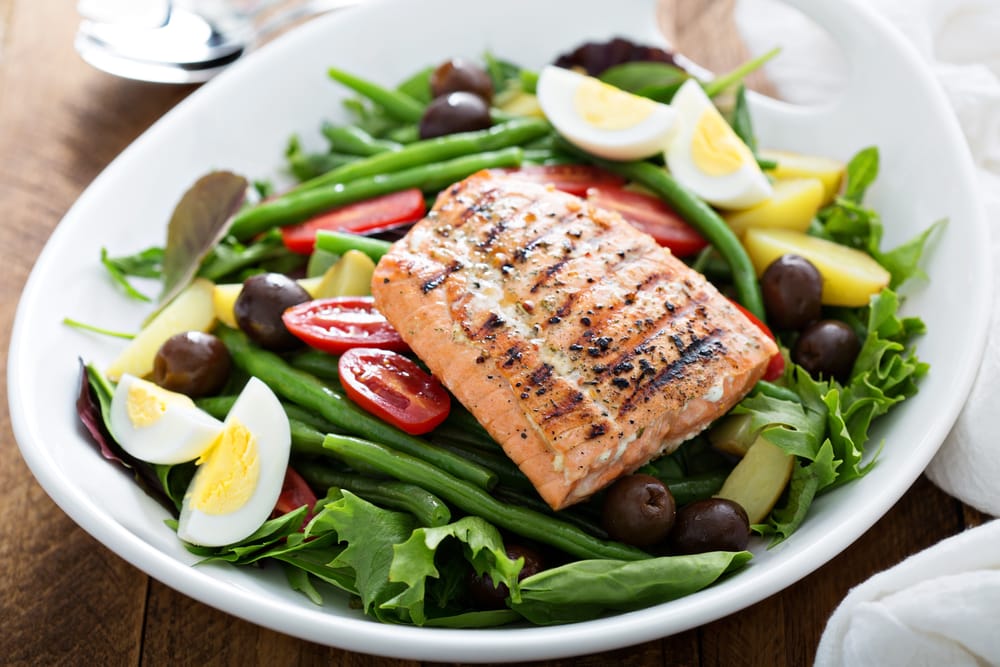
At the end of the day, intermittent fasting is just one approach. It’s not right or wrong—it’s all about how it makes you feel.
If fasting feels good and helps simplify your life-awesome. If it leaves you moody, tired, or anxious-it’s okay to let it go. Your health journey doesn’t need to follow someone else’s rules. You get to make the rules.
My best advice? Stick with the basics: eat real food, move your body regularly, and listen to your energy, your hunger cues, and your mood. And remember, building muscle is one of the most effective ways to burn more fat and age strong.
Have you tried intermittent fasting? What works best for your body and lifestyle? I’d love to hear your experience. Drop a comment below!



This is so timely for me to read. I just read an article in AARP regarding mini fasting and was a bit intrigued. It entailed different strategies, but one was to limit yourself to 500 calories a day a couple days a week and the other 5 days eat normal. I guess if your normal is healthy eating, well of course you’ll lose weight, but I think I’d tend to say to myself “well, I just saved all those calories so I can go a little crazy”. I envision the same up and down in weight I’ve had all my life. I think I’ll continue to read the great tips and advice I get here on Get Healthy U and even if I don’t commit 100% or even the 80/20 all the time, I know I’m incorporating small changes in my life from those tips and the sound advice I am reading.
So glad you found it useful, Tammy! And we’re thrilled that we’ve found a returning reader in you 🙂
I used to incorporate fasting seasonally. Fall and Spring seemed like a good time to reset my system by going on a 24 hour fast, or as long as a 3 day fast. I’m hypoglycemic, so just drinking water or tea doesn’t cut it since my blood sugar is already very low (about 55 normally). So, I drink liquids throughout the day: kombucha or organic lemon water with a touch of maple syrup, as long as it’s pure, organic and keeps my blood sugar levels where I need them to be. I also added a fiber supplement on my last day of fasting. What I discovered: it really resets your appetite and your relationship with food. When I did go back to eating, I found I could only eat a small amount, as if my stomach had shrunk a bit. I also noticed that my joints weren’t as ‘creaky’ in the morning. Setting off on my morning walk seemed somehow easier and I felt lighter. Also all that water consumption helped to reduce water weight, so my tummy flattened right out. It may not be for everyone, but it certainly worked for me. Now that I’m weight training I haven’t resumed fasting, since fasting requires not much energy output, as it can leave you feeling a little listless and I want to keep training as much as I can.
Thank you for this! I was actually going to be submitting this as a question for the Q&A session next week. There has been all kinds of buzz around the internet lately about this and it peeked my interest. I am right there along with you in regards to eating healthy. The lifestyle that you choose has to be sustainable for the long haul. There is no way that I can do without breakfast for the rest of my life! I am slowly (but surely) realizing that I don’t need to have 10% body fat, workout for an hour a day, and only eat fish, chicken, and veggies. I want to enjoy life, have my wine, and be functional and active when I am 80 years old. I can achieve this by eating relatively healthy and working out smarter, not longer.
Hi Chris!
I agree with you. Intermittent fasting does not work for me. If I starve myself during the day I would be starving late at night, not be able to sleep so I would scrounge around the fridge and overeat. I would much rather be in control and eat properly during the day.
Great article!
I’ve tried intermittent fasting. I felt great that first time that I did. Each time it got harder to do. I ended up becoming anemic because I became reliant on it for weight loss and I was running for 7 miles one day a week and weight lifting my other days. After becoming so weak from anemia, I decided that it wasn’t for me. A healthy diet and exercise are the best way to lose weight and keep it off.
This is not complete. Hunger doesn’t go up with time. Hunger appears when you’re used to eating. I’ve been skipping breakfast for about a month and now I start feeling hungry at twelve o clock. There’s studies on this and I think there should be included in this article.
On the other hand, the research on fasting on humans is limited and seems to produce more questions than does answers. It has been working for me and those symptoms dissapeared after the first week. Once again I think this article is incomplete.
Anyway, it has always been about finding what it works for you… so yeah: no one size fits all.
There are many more benefits to intermittent fasting besides weight loss. After 16 hours of fasting your human growth hormone increases significantly. If you look at the benefits of what your human growth hormone does, you’ll want to increase it. It helps with cell turnover, brain function, and metabolism to name a few. I eat relatively healthy (clean foods) and I exercise (love Chris’s videos) I don’t need to lose weight, but I intermittently fast 16 hours a few days a week just to get the other benefits.
There are so many options like fasting, specific diets etc. Most have some scientific claims and proponents who swear by the science. But for me, many feel like there is always a deprivation component. At the ripe old age of 60, I gave up chasing the latest claims to stay in shape as I find the approach that Chris mentions, the easiest to follow without any deprivation.
Yes Kathy!! You hit it right on the spot. There are so many different health and diet “fads” that come and go but what I always encourage people is to do what is right for your body. What works for one person may not work for another. You have to do what is right for your own health and your own gut. Keep doing you!!
I have been intermittent fasting for five months and love it! I have experienced appetite correction and simply am not as hungry as use to be. I no longer mindlessly snack at night and find that I am naturally craving more nutrient rich foods. During intermittent fasting your body does not go into “starvation mode” as this article suggests, no one will starve if they do not eat for 16 hours. Personally, this way of eating is less of a fad diet and more of sustainable lifestyle. I have lost 15 pounds and have for the first time in my life have maintained my loss over the holidays without feeling deprived. I feel like I can continue eating this way for the rest of my life.
Please consider reading Delay, Don’t Deny by Gin Stevens or the Obesity Code by Dr. Jason Fung, there is some valuable science behind fasting that may help readers decide if this lifestyle is right for them. This is less of a diet and more of a new relationship with eating.
My doctor recommended it as a way to help kick start weight loss but also to help the body with blood sugar, when I had my annual physical my blood sugar was elevated but not terrible and I’ve struggled for the most part of the last 10 years with added weight, with hyperthyroid and being over 55 with the struggles of menopause the doctor wanted me to try it. Reluctantly I did after a lot of research, I ensure I get mostly veggies, fruits, nuts and lean proteins and I still exercise. I was concerned that I would feel even more tired than I do on a daily basis but I found that I actually have more energy and have lost a few pounds, I am careful to ensure I get within my calories for the day but I also pay attention to my macros and I exercise daily. While my weight loss hasn’t been crazy big my body is finally giving it up a little at a time which is what I wanted. I’m not a fan of making myself wait till 11 to eat as I wake up most morning (4am) hungry but the results have been good and because I am 60 lbs over weight this is working. I think its important for people to do their research and work side by side with their doctor on any plan to lose weight, even though I have a degree in nutrition (like 35 years ago) I still will reach out to my nutritionist who didn’t like the idea but went along with me on this. My blood sugar is back in range, I feel like I’m starving sometimes and my weight is going down a little each week and I use Get Healthy U workouts daily.